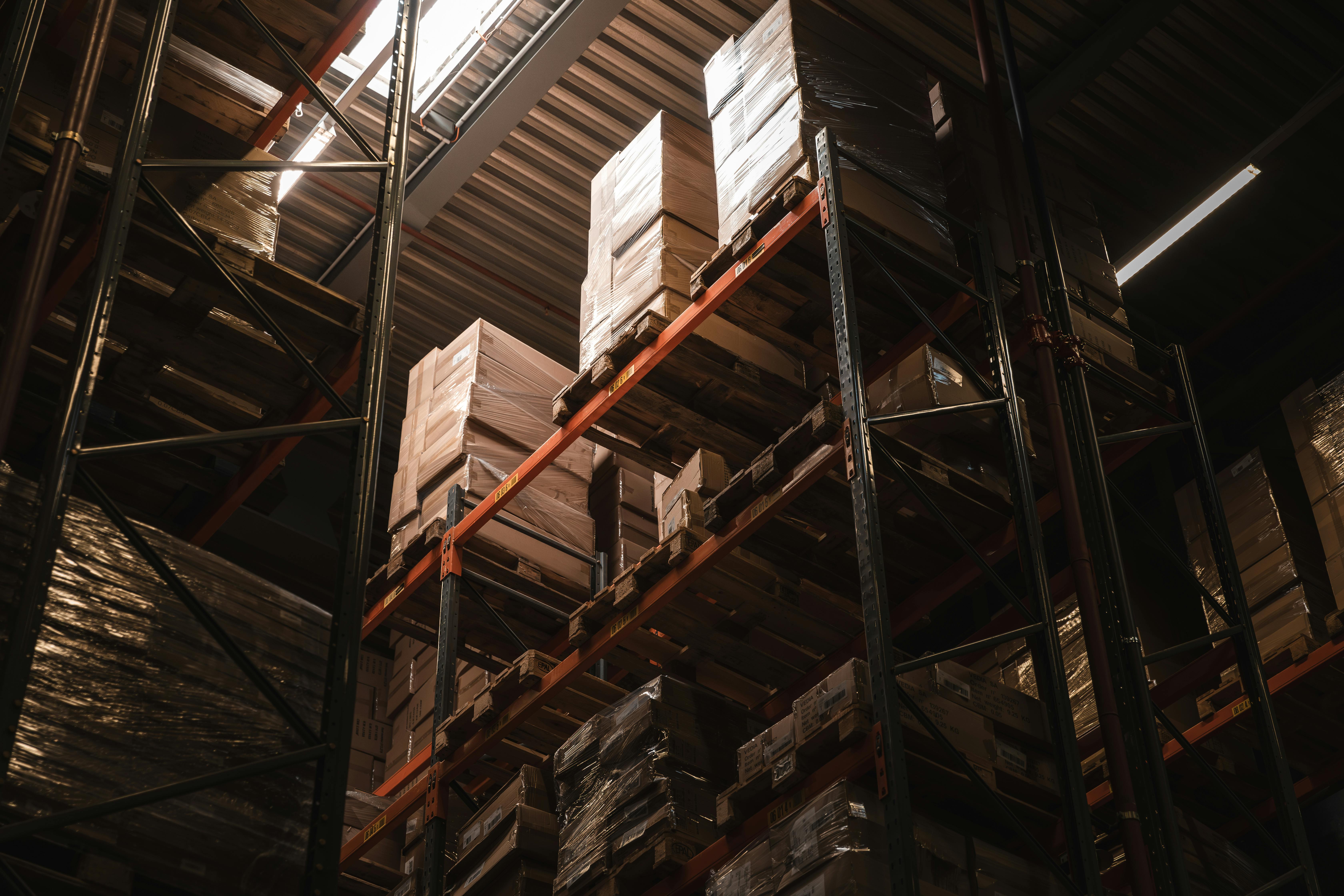
Freight and delivery operations are no longer just about moving goods from point A to B. Today’s logistics leaders use logistics and supply chain analytics to reveal financial inefficiencies that would have remained invisible just a few years ago. The freight industry is under more pressure than ever to control costs while meeting customer expectations for speed and transparency.
Traditional methods that rely on periodic reports or manual tracking systems simply do not deliver the visibility needed to uncover hidden expenses spread across complex global networks. By using modern data frameworks, freight operators can expose cost leakage at a granular level and take corrective action quickly, boosting operational performance and margins in real time.
What Is Cost Leakage in Freight and Delivery?
Cost leakage refers to expenses that go unnoticed or unmanaged within transportation networks. These costs often appear in areas such as:
- Unplanned reroutes
- Excess idle time
- Fuel inefficiencies
- Untracked dwell times at hubs
- Manual reporting errors
Unlike obvious line item losses, cost leakage quietly erodes profitability over time and is especially prevalent where data is fragmented across systems or reported manually.
Real‑Time Tracking Reveals Hidden Expense Patterns
Modern freight ecosystems generate vast volumes of data every second. Technologies such as Internet of Things sensors, GPS telematics, and connected devices create continuous streams of shipment and vehicle data. This real‑time visibility is crucial to identifying inefficiencies that traditional periodic reports may miss. A 2025 logistics trend report highlights how real‑time visibility has become essential for proactive freight management, enabling teams to respond immediately to deviations in delivery status rather than discovering issues days later.
With real‑time shipment tracking, logistics teams can see delivery progress minute by minute, flagging unexpected delays or deviations that might add unbudgeted costs. For example, rerouting due to sudden congestion becomes actionable data instead of a hidden cost revealed only after the month’s financial close.
Predictive Analytics Shifts Freight Operations From Reactive to Proactive
Being reactive is costly. Fortunately, predictive analytics in logistics is reshaping planning and execution. Predictive models use historical and real‑time data to foresee disruptions and suggest optimized decisions before costs escalate. In 2026, advancements in predictive logistics allow forecasting of transport delays and network bottlenecks, offering cost control before these events fully impact operations.
Instead of waiting for late truck arrivals or carrier penalties to show up in expense reports, freight operators can anticipate and mitigate these disruptions. This capability not only shores up margins but also improves service reliability.
Connecting the Dots With Integrated Analytics Platforms
Fragmented systems are a primary source of hidden costs. When data sits in disconnected silos — such as separate transportation management systems, warehouse platforms, and accounting tools — inefficiencies go unnoticed. Supply chain analytics software bridges these gaps by consolidating data into unified dashboards and performance views.
With integrated systems, decision‑makers gain a single source of truth that highlights:
- Actual versus planned routing costs
- Carrier performance and cost variance
- Idle time and dwell costs
- Fuel usage patterns and deviations
These insights help leaders stop cost leakage at its origins rather than chasing symptoms.
How Freight Data Analytics Improves Operational Efficiency
Freight data analytics plays a central role in unmasking hidden cost drivers. By analyzing end‑to‑end movement data, analytics tools can reveal:
- Patterns of recurring delays at specific hubs
- Unproductive asset utilization
- Inefficient transfer points or loops in networks
- Weather‑related disruptions before they impact ETAs
This type of granular analysis allows teams to optimize routing schedules, reduce bottlenecks, and improve asset allocations — actions that directly reduce expenses and enhance service levels.
Descriptive Analytics in Logistics Highlights What Has Already Happened
While predictive tools look to the future, descriptive analytics in logistics focuses on historical data to understand what has occurred and why. These insights help build benchmarks, identify recurring cost centers, and support strategic decisions for future improvements.
For example, descriptive metrics might reveal that a particular corridor consistently incurs higher than average fuel or time costs. Armed with this knowledge, logistics planners can redesign routes, negotiate better carrier agreements, or adjust schedules to avoid peak‑traffic conditions. The result is an operational improvement that removes recurring hidden costs from future plans.
Advanced Solutions for End‑to‑End Freight Efficiency
Today’s logistics analytics solutions combine machine learning, cloud computing, and connected ecosystems to provide comprehensive insights into freight flows. These platforms empower logistics professionals to visualize freight paths, measure performance metrics across partners, and adapt to real‑time changes.
High‑performance analytics solutions can help:
- Assess live delivery route analytics to spot inefficiency
- Predict and prevent unplanned expense spikes
- Compare performance across carriers and routes
- Drive standardization of cost structures in global operations
Companies that adopt these advanced tools are better positioned to avoid financial surprises and reduce wasted fuel, time, and labor resources.
The Business Case for Cost Optimized Transportation
Quantifying hidden costs matters. According to industry adoption data, companies expanding their use of analytics see measurable reductions in total logistics costs while maintaining service reliability. These improvements stem from dynamic route optimization, inventory management, and fewer emergency corrective actions due to delays or equipment failures.
One of the most impactful outcomes of modern analytics adoption is improved transportation cost optimization, where real‑time decision support tools continually reduce inefficiency across the network.
Human Intelligence and Automation Together
One persistent barrier to uncovering cost leakage is overreliance on manual reporting. Manual processes are slow, prone to error, and not suited to the volume or velocity of modern freight data. Integrating automated analytics with human decision‑making results in faster insights and more trust in data across teams.
If you want to learn more about how manual reporting affects freight economics, check out the article: The Hidden Cost of Manual Reporting in Trucking Operations.
Frequently Asked Questions
How does analytics help spot hidden transportation costs?
Advanced analytics pulls data from multiple systems and delivers insights that highlight inefficiencies, such as unexpected delays or route deviations. By breaking down expenses by segment and cause, it becomes easy to see where costs accumulate.
Can predictive analytics reduce delivery network costs?
Yes. Predictive models anticipate disruptions and suggest optimized routing and resource allocation, which reduces emergency costs, idle times, and fuel expenses.
What is the difference between real‑time tracking and traditional reporting?
Real‑time tracking captures live data from shipments and fleet assets to enable immediate action. Traditional reporting often reveals issues days or weeks later, making proactive cost control difficult.
Why is descriptive analytics valuable in freight operations?
Descriptive analytics shows patterns from past operations. It establishes a baseline for performance and highlights opportunities for future improvements where inefficiencies had previously gone unnoticed.
Is automation critical to uncovering cost leakage?
Absolutely. Automated systems continuously process and analyze data, whereas manual methods often miss patterns and cause delays in identifying costly issues.
Transform Freight Finance With Ascend Analytics Insights
At Ascend Analytics, we help logistics teams redefine how they uncover and eliminate hidden expenses with unparalleled logistics and supply chain analytics. When your data is unified, actionable, and predictive, you don’t just manage transportation—you optimize it.
Are you ready to stop cost leakage and build more resilient freight operations? Contact Ascend Analytics today to unlock smarter freight cost insights and maximize operational efficiency.