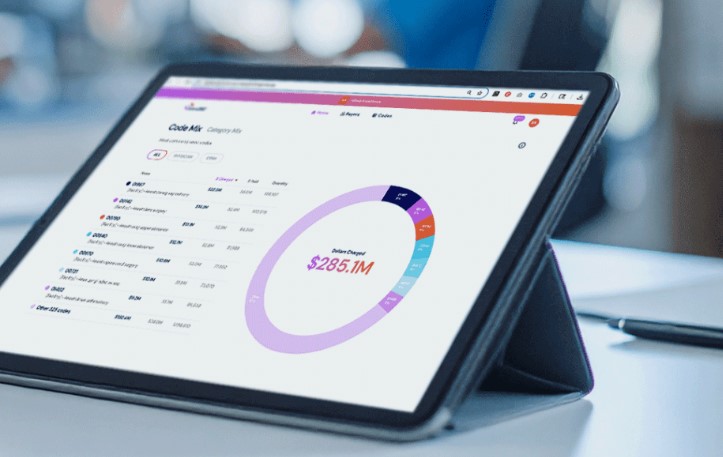
Most revenue loss is not sudden. It is gradual, from small shifts in how payers reimburse you. This is contract drift: when a payer’s payments slowly misalign with your agreed terms. It starts with tiny inconsistencies, like a rate applied wrong or a modifier overlooked. Over months, these become normal because traditional systems only report what happened, not whether it was correct.
Now, the problem is accelerating. Payers change their logic faster than contracts are updated. Finance teams are stretched thin. Together, this makes contract drift a silent threat to margins. This is why healthcare analytics consulting is no longer just support. It is a revenue protection strategy.
Why Contract Drift Is a Board-Level Risk
Payers now adjust pricing and bundling logic many times a year, often without formal notice. In 2024, CMS updates led many Medicare Advantage payers to change payments without contract updates. Health systems lost revenue before they knew why. Without healthcare analytics consulting, these changes look like normal payment noise.
Traditional reporting cannot see drift. Standard reports show past collections and denials. They do not flag new payer behavior shifts. That is why leaders now use healthcare analytics consulting partners who detect risk early, before losses become systemic.
Where Contract Drift Actually Starts Inside the Revenue Cycle
Claim level variance is the first warning sign
Contract drift does not start with denials. It starts with subtle differences between expected and paid amounts at the claim level. These differences often fall below manual review thresholds and are therefore ignored.
Advanced data analytics in healthcare enables continuous payer contract variance analysis that compares expected reimbursement to actual payment in near real time.
This level of monitoring reveals:
- CPT codes where reimbursement is trending downward
- Payers applying outdated fee schedules
- Modifier logic inconsistencies across facilities
Small discrepancies turn into contract drift revenue leakage
A few dollars lost per claim does not raise alarms. But multiplied across thousands of encounters, service lines, and payer products, the financial impact becomes significant.
In 2024, Becker’s Hospital Review reported a multi state health system recovering more than 18 million dollars after identifying payer misalignment that had persisted unnoticed for nearly two years. The issue was not denial related. It was contract interpretation drift.
Why Traditional Analytics Fail to Protect Revenue
Traditional dashboards show historical totals and trends. They report what happened, but not why or if it will continue. This makes them too slow to catch payer reimbursement errors in time.
Advanced analytics models payer behavior directly. It goes beyond tracking KPIs to analyze how payment patterns are deviating from your contract terms. Leading healthcare analytics consulting firms build contract logic into their systems. This allows finance teams to monitor compliance continuously, not just look back.
How Analytics Detects Payer Risk Before Revenue Is Lost
Predictive analytics uses historical data to forecast where underpayments will likely occur. This allows teams to proactively strengthen documentation, adjust billing workflows, and prioritize audits before claims are even submitted.
Manual claim review cannot scale. A modern healthcare analytics consulting partner automates underpaid claim identification across millions of transactions. This is why providers now choose specialized business analytics consulting over general business intelligence solutions, which lack the focus for true revenue integrity.
Why Continuous Contract Monitoring Is Essential
Annual or quarterly audits are no longer enough. By the time a discrepancy is identified, timely filing rules often block recovery. This makes reactive auditing ineffective.
True contract compliance requires continuous, payer-specific monitoring.
Advanced analytics now map denial patterns directly to specific contract errors, rather than coding issues. This distinction provides revenue teams with concrete, data-backed evidence for payer negotiations, moving beyond assumptions.
To achieve this level of insight, you need unified data. This means integrating analytics across contracts, claims, and denials into a single, actionable system.
Why Ascend Analytics Focuses on Contract Intelligence
Most analytics tools simply report what happened. We detect why it happened. Our focus is on finding and fixing the revenue risk hidden in your payer contracts.
We go beyond reporting to provide continuous monitoring. This means we track contract compliance in real time, model specific payer behavior, and surface the exact, actionable insights your finance team needs to recover revenue.
This gives CFOs and revenue cycle leaders the visibility to address underpayments and denials before they impact your cash flow.
For a deeper look at how to build financial visibility, see our related resource: Cash Reports in Healthcare: A Roadmap to Financial Success.
Frequently Asked Questions
How quickly can analytics detect contract drift
With modern healthcare analytics consulting, payer misalignment can be detected within weeks of behavior change rather than months after revenue loss appears.
Is contract drift only a problem for large health systems
No. Smaller providers experience drift just as frequently but often lack the tools to identify it without analytics support.
How does Ascend Analytics differ from traditional reporting vendors
Ascend Analytics focuses on payer behavior modeling and risk detection, not just historical summaries.
Can analytics reduce payer disputes and appeals
Yes. Data backed insights allow teams to present objective evidence, shortening dispute cycles and improving resolution outcomes.
Does contract drift affect value based care agreements
Absolutely. Drift impacts shared savings calculations and quality based reimbursement, making early detection critical.
Is Your Revenue Quietly Eroding?
Traditional reporting and annual audits cannot protect you from the growing risk of contract drift. This silent financial drain accelerates as payers update their logic and your team’s resources are stretched thinner.
To stop the loss, you need a new approach. It requires moving from historical summaries to proactive, payer-specific intelligence. This shift turns your contracts into active financial safeguards that protect your margins in real time.
This is the core focus of Ascend Analytics. We don’t just report on past underpayments; we give you the continuous monitoring and behavioral modeling needed to prevent them.
Stop guessing and start proving. Book a call with Ascend Analytics today to see a live analysis of your contract compliance risk.